

Bathroom tile sizes have a direct impact on how your bathroom looks, how easy it is to maintain and how straightforward the installation process will be. The size you choose can change how open or compact a bathroom feels.
This guide breaks down how different bathroom tile sizes perform across walls, floors and various layouts.
Why Bathroom Tile Size Matters
Tile size influences more than just appearance. It affects how your bathroom looks and how much maintenance is required.
Larger tiles create a more continuous surface, which reduces visual breaks and can make a bathroom feel more open. This is particularly noticeable in smaller bathrooms where too many grout lines can interrupt the flow and make the room feel smaller.
Smaller tiles, on the other hand, offer more flexibility. They are easier to work around fixtures, corners and uneven areas, which can make them more practical in certain layouts. They can also provide additional grip underfoot, which is useful in wet areas.
Tile size also affects installation. Larger tiles require a flatter surface and more precision, while smaller tiles are more forgiving but take longer to install due to the increased number of pieces and grout lines.
Common Bathroom Tile Sizes Explained
Small Tiles (100x100mm – 300x300mm)
Small tiles are commonly used in bathrooms where flexibility is important. They are particularly useful in areas with lots of corners, fixtures or slopes, such as shower floors or around basins and toilets.
One of their main advantages is grip. Smaller tiles create more grout lines, which can help improve traction when standing on them, making them a great choice for shower floors.
However, the increased number of grout lines can make cleaning more time-consuming. Dirt and moisture can collect in these joints, which means more regular maintenance is needed to keep the surface looking consistent.
Small tiles are often used in specific areas rather than across entire bathrooms, unless a particular design or layout requires them.
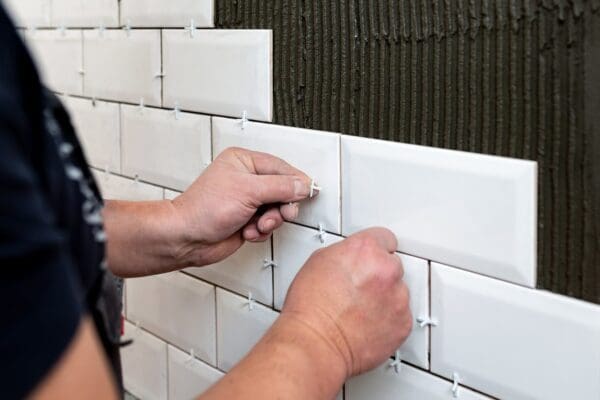
Medium Tiles (300x600mm)
Medium-sized tiles, particularly 300x600mm, are one of the most widely used bathroom tile sizes. They offer a balance between flexibility and coverage, which makes them suitable for most wall applications.
They are large enough to reduce excessive grout lines, but still manageable when working around fittings and edges. This makes them easier to install compared to larger format tiles while still providing a clean and consistent finish.
They are also versatile in how they can be laid. Horizontal layouts can make walls feel wider, while vertical layouts can help create the impression of height.
Because of this balance, medium tiles are often the default choice for many bathroom designs.
Large Format Tiles (600x600mm and above)
Large format tiles are increasingly used in modern bathrooms, particularly in sizes such as 600x600mm, 600x1200mm or even larger.
Their main advantage is the reduction in grout lines. Fewer joints help create a more uniform finish, which not only improves the appearance but also makes cleaning easier. This is one of the reasons they are often chosen for both walls and floors.
They can also make smaller bathrooms feel more spacious by creating a more continuous visual flow across surfaces.
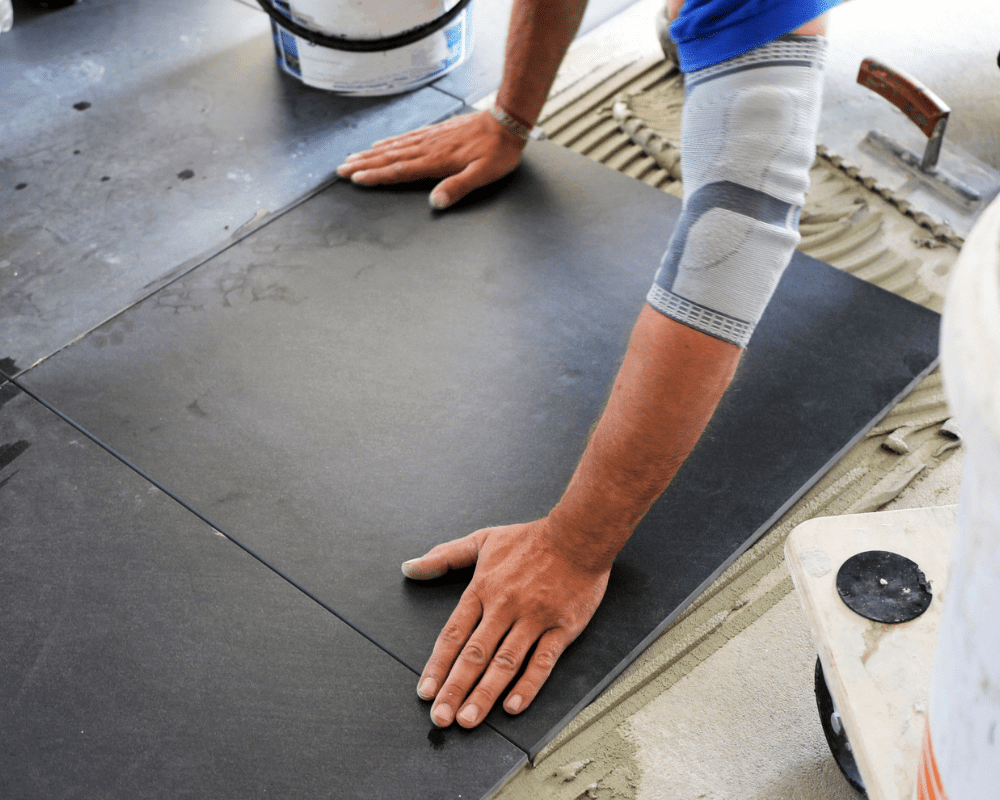
However, they require more precise installation. The surface needs to be level, and handling larger tiles can be more challenging during fitting. In smaller bathrooms, they may also require more cutting, which can affect the overall finish if not planned carefully.
Best Bathroom Tile Sizes for Walls
Wall tile size is often chosen based on how it affects the proportions of the room.
Medium tiles, such as 300x600mm, are commonly used because they work well in most layouts. They provide a clean finish without making installation overly complex, and they adapt well to both small and large bathrooms.
Larger tiles can create a more seamless look, particularly in modern spaces where minimal grout lines are preferred. They are often used in walk-in showers or feature walls where a continuous finish is desired.
Smaller tiles are typically used for feature areas rather than covering entire walls. This is because the increased number of grout lines can make large surfaces feel more visually busy.
The layout direction also plays a role. Horizontal tiles can make a bathroom feel wider, while vertical layouts can emphasise height, which can be useful in rooms with lower ceilings.
Best Bathroom Tile Sizes for Floors
Floor tiles need to balance practicality, safety and appearance.
Larger tiles, such as 600x600mm, are commonly used because they reduce grout lines and make cleaning easier. They create a more uniform surface, which works well in modern bathroom designs.
However, they may not always be the best option in smaller bathrooms with complex layouts, where more cuts are required. This can make installation more time-consuming and affect the final appearance.
Smaller tiles are often used in areas where additional grip is needed, such as shower floors. The increased number of grout lines can help improve traction, which is important in wet environments.
In many cases, a combination is used, with larger tiles across the main floor and smaller tiles in specific wet areas.

Choosing Tile Sizes for Small Bathrooms
In smaller bathrooms, tile size can significantly influence how open or confined the space feels.
Larger tiles can help create the impression of more space by reducing visual interruptions. Fewer grout lines make the room feel less cluttered and more continuous, which can improve the overall look.
However, very large tiles are not always practical in tight spaces. They may require multiple cuts around fixtures, which can disrupt the layout and reduce the visual benefit.
Medium-sized tiles are often a practical choice for small bathrooms. They provide a balance between coverage and flexibility, making them easier to install while still helping to maintain a clean appearance.
The key is to choose a size that works with the layout rather than against it.
Grout Lines and Maintenance
Tile size directly affects how many grout lines are present across a surface.
More grout lines mean more areas where dirt, moisture and residue can collect. Over time, this can make the surface harder to keep clean, particularly in bathrooms where humidity is high.
Larger tiles reduce the number of grout lines, which makes cleaning more straightforward and helps maintain a consistent appearance.
Grout colour also plays a role. Lighter grout can show staining more easily, while darker grout can help mask marks but may change how the tiles look overall.
Sealing grout can help reduce maintenance requirements and protect against moisture, particularly in areas exposed to regular water contact.
Professional Bathroom Tiling
Choosing the right tile size is only part of the process. Proper installation is essential to ensure tiles are level, evenly spaced and finished correctly.
Take a look at our bathroom tiling services to see how we can help with planning, preparation and installation. Our wall tiling services and floor tiling services ensure a consistent finish across all surfaces, from full walls to bathroom floors.
FAQs
What is the most popular bathroom tile size?
300x600mm tiles are one of the most commonly used sizes for bathroom walls because they offer a balance between coverage and flexibility. They work well in most layouts and can be installed in different orientations to adjust how the space feels.
For floors, 600x600mm tiles are often preferred as they reduce grout lines and create a more consistent surface, making them easier to maintain.
Are large tiles better for small bathrooms?
Large tiles can help make a small bathroom feel more open by reducing the number of grout lines and creating a more continuous surface. This can make the room appear less cluttered.
However, they are not always the best option in very tight spaces where multiple cuts are required. In these cases, medium-sized tiles may provide a more practical and balanced result.
What size tiles are best for bathroom floors?
Larger tiles, such as 600x600mm, are commonly used because they reduce grout lines and make cleaning easier. They also create a more uniform look across the floor.
Smaller tiles may be better suited to specific areas, such as shower floors, where additional grip is needed. The best choice often depends on how the bathroom is used and the layout.
Do smaller tiles mean more maintenance?
Yes, smaller tiles create more grout lines, which increases the number of areas where dirt and moisture can collect. This can make cleaning more time-consuming over time.
Regular cleaning and sealing grout can help manage this, but larger tiles are generally easier to maintain due to the reduced number of joints.
Can you mix different tile sizes in a bathroom?
Yes, using a combination of tile sizes is common and can be practical. For example, larger tiles may be used on the main floor or walls, while smaller tiles are used in shower areas.
This approach allows you to use each tile size where it performs best, rather than relying on a single option throughout the entire bathroom.
Does tile size affect installation time?
Yes, tile size can influence how long installation takes. Larger tiles cover more area quickly but require careful handling and a well-prepared surface. Smaller tiles take longer to install because there are more individual pieces and grout lines to work with.

