
Choosing the best bathroom tiles in Surrey can completely change how your space looks, feels, and performs over time. The tiles you select affect everything from durability and maintenance to the overall design of your bathroom.
With so many materials, colours, and layouts available, it is easy to feel unsure about where to start. This guide walks you through the key factors to consider so you can make the right choice for your home and avoid common mistakes.
What should you consider when choosing bathroom tiles?
For your bathroom, you need tiles that can handle moisture, daily use, and regular cleaning without losing their quality over time. The wrong choice can lead to issues such as staining, slipping, or tiles that struggle with moisture and daily use.
Before making any decisions, consider how your bathroom is used and what you want from the final result.
Here’s what you should consider:
- How much moisture the area is exposed to
- How easy the tiles are to clean and maintain
- The size and layout of your bathroom
- The style you want to create
Which bathroom tile materials work best?
The material you choose plays a key role in how your bathroom tiles perform. Different materials offer varying levels of durability, maintenance, and visual impact, so selecting the right one depends on how you use your bathroom and the finish you want.
Understanding the differences between tile materials helps you avoid problems later and ensures your bathroom remains both practical and visually consistent over time.
Porcelain tiles
Porcelain tiles are among the most reliable choices for bathrooms because they are designed to withstand moisture, temperature changes, and daily use without losing their finish. They are manufactured at a higher density than standard ceramic tiles, making them less porous and more water-resistant.
This makes porcelain ideal for both walls and floors, particularly in areas exposed to regular splashing such as showers and around baths. They are also highly stain-resistant, making them easy to clean and maintain over time.
Another advantage of porcelain tiles is the variety available. You can choose from a wide range of colours, finishes, and textures, including styles that replicate natural stone or wood. This gives you flexibility when designing your bathroom, allowing you to create a modern or traditional look, depending on your preference.
Natural stone tiles
Natural stone tiles offer a more premium, distinctive finish than standard tiles. Materials such as marble, limestone, and slate each offer unique textures and variations, meaning no two tiles are exactly the same.
This natural variation helps create a more characterful and high-end look, making stone tiles a popular choice for feature walls, floors, or full bathroom designs where appearance is a priority.
However, natural stone does require more care. These tiles are more porous than porcelain, so they need to be properly sealed during installation and maintained over time to protect against moisture and staining. Without this, they can be more susceptible to wear.
Ceramic tiles
Ceramic tiles are a practical and cost-effective option, particularly for bathroom walls. They are lighter than porcelain tiles and easier to cut, which makes them well-suited for areas that do not experience heavy wear.
They are commonly used for splashbacks and feature walls, where they can provide a clean and simple finish. Ceramic tiles are available in a wide range of colours, patterns, and sizes, giving you plenty of design flexibility.
While they are not as durable as porcelain, they still perform well in lower-impact areas of the bathroom. For many homeowners, ceramic tiles offer a good balance between affordability and appearance, especially when used in the right areas of your bathroom.
How do you choose between wall tiles and floor tiles?
Wall tiles and floor tiles may look similar, but they serve completely different purposes. Choosing the wrong type can affect both your safety and the tile’s performance, especially in areas exposed to water and subject to regular use.
You need to understand how each tile type works so you can select the right option for each part of your bathroom and avoid issues once the installation is complete.
Floor tiles need to be strong, slip-resistant, and able to handle regular foot traffic. Wall tiles focus more on design and ease of cleaning, especially in areas like showers and splash zones.

What tile size should you choose?
Tile size and layout have a bigger impact on your bathroom than most people expect. The way tiles are arranged can change how large the bathroom feels and how clean the final finish appears.
Getting this right helps you avoid awkward layouts, uneven spacing, or a finish that falls short of your expectations.
For smaller bathrooms, larger tiles such as 600x600mm or 600x300mm are often a better choice because they reduce grout lines and make the space feel more open. In very compact areas, large-format tiles like 800x800mm can also work well when installed correctly.
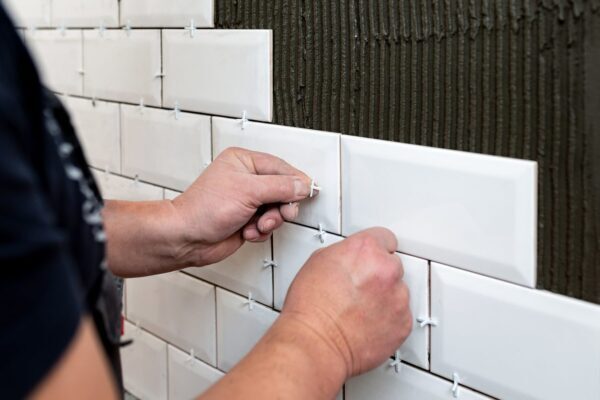
Smaller tiles, such as metro tiles (around 200x100mm) or mosaics, are commonly used for feature walls, shower areas, or to add texture and detail.
Layout also plays an important role. Popular options include:
- Straight lay for a clean, modern finish.
- Brick bond (offset) for a classic look, often used with metro tiles.
- Herringbone patterns for a more detailed feature
- Vertical stacking to make walls feel taller
What colours work best for bathroom tiles?
Colour is one of the first things you notice when you walk into a bathroom. Light colours such as white, off-white, light grey, and beige are ideal for smaller bathrooms because they reflect light, making the bathroom feel larger. These tones also work well with most fixtures and fittings.
Mid-tone colours like warm greys, taupe, and soft stone shades create a balanced and modern look without making the room feel too dark. These are often used across both walls and floors for consistency.
Darker colours such as charcoal, navy, or deep green can be used to create contrast or a more striking design. These work best as feature walls or within shower areas, especially when paired with lighter tiles.
You can also combine colours to create contrast, such as:
- Light wall tiles with darker floor tiles
- Neutral tones with a patterned feature wall
- Matte finishes paired with gloss tiles for variation.
Choosing colours that complement your bath, taps, and units can help bring the whole bathroom together and create a more cohesive finish.
How do you match tiles to your bathroom design?
Your bathroom tiles should work as part of a complete design, not as a separate feature. If tiles do not match your fixtures, fittings, and layout, the overall result can feel inconsistent and unfinished.
Taking a joined-up approach ensures every element of your bathroom works together.
We recommend thinking about how the tiles will match your:
- Bath and shower areas
- Units and storage
- Taps and fittings
- Overall layout
Should you get help choosing bathroom tiles?
Choosing bathroom tiles can seem straightforward, but small decisions can have a big impact on the final result. Without the right guidance, it is easy to select tiles that do not suit your space or are not practical for everyday use.
Getting expert advice helps you avoid these issues and ensures you make choices that work both visually and practically. Working with experienced tilers like Tech Tile also means your tiles will be installed correctly, which is just as important as choosing the right tile.
If you are planning a project, you can learn more about our bathroom tiling service in Surrey and how we help you choose and install the right tiles.
What are the most common mistakes to avoid?
Many bathroom tiling problems stem from simple mistakes made during planning. These issues often only become clear after installation, when they are harder and more expensive to fix.
Understanding what to avoid from the start helps you achieve a better finish and prevents unnecessary problems later.
Common mistakes include:
- Choosing style over practicality
- Using the wrong tiles for wet areas
- Not considering maintenance requirements.
- Poor planning of layout and spacing
Ready to choose the right bathroom tiles for your home?
Choosing the right bathroom tiles should feel clear and manageable with the right guidance. With a well-planned approach, you can create a space that looks good, performs properly, and suits how you use your home every day.
Taking the time to make the right decisions now will save you time, cost, and stress later.
If you are planning a bathroom project in Surrey, speak to our team. We will help you choose the right tiles and deliver a professional service from start to completion.

