
Choosing between vinyl and laminate flooring comes down to how much wear it will see, and what level of maintenance you’re comfortable with. Both options are widely used across homes because they offer a balance between cost and appearance, but they perform quite differently in certain conditions.
This guide looks at how vinyl and laminate flooring compare in terms of durability, water resistance, comfort, cost and suitability.
Vinyl vs Laminate Flooring: Key Differences
The main difference between vinyl and laminate flooring lies in how they are constructed and how they handle moisture.
Vinyl flooring is made from synthetic materials and is designed to be water-resistant or fully waterproof, depending on the product. This makes it suitable for areas where moisture is more likely to be present.
Laminate flooring, on the other hand, is made using a fibreboard core with a printed surface layer. While it can handle some exposure to moisture, it is not fully waterproof and can be affected if water penetrates the surface.
Durability and Water Resistance
Water resistance is often the deciding factor for many homeowners.
Vinyl flooring is designed to cope with moisture, making it a great option for kitchens, bathrooms and utility areas. Spills are less likely to cause damage, which makes it easier to maintain over time.
Laminate flooring is more resistant to scratches and general wear, but it is more vulnerable to water damage. If moisture seeps into the joints or beneath the surface, it can cause swelling or warping.
There has been a noticeable increase in demand for waterproof flooring in recent years, which has contributed to the growing popularity of vinyl in areas where moisture is a concern.
Appearance
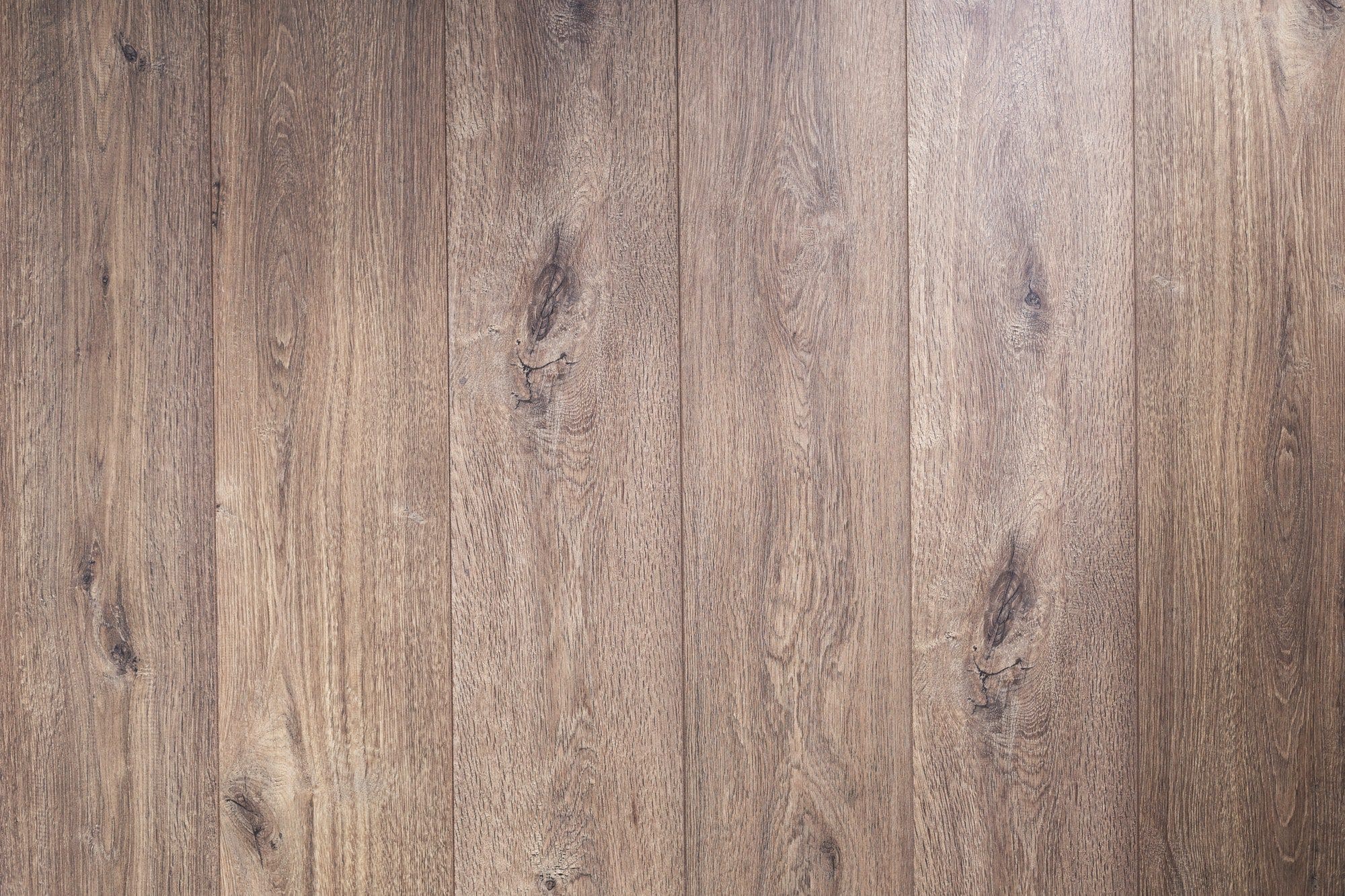
Both vinyl and laminate flooring are designed to replicate the look of natural materials such as wood or stone.
Laminate flooring is often recognised for its realistic wood-effect finishes, with textured surfaces that closely resemble natural grain patterns.
Vinyl flooring has improved significantly in recent years, with higher-quality options offering more detailed designs and textures. While earlier versions were more limited in appearance, modern vinyl products can now achieve a similar visual result.
Comfort
The way flooring feels when you walk on it is another factor that can influence your decision.
Laminate flooring tends to feel firmer and more solid, especially when installed over a suitable underlay. This can give it a more stable feel, closer to traditional wood flooring. While this can be appealing in living areas or hallways, it can feel harder in spaces where you’re standing for longer periods, such as kitchens.
Vinyl flooring is generally softer and slightly more cushioned due to its layered construction. This makes it more comfortable underfoot, particularly in areas where you’re on your feet more often. It also tends to feel warmer compared to laminate, which can feel colder, especially in colder months.
The level of comfort can also depend on what the flooring is installed over. Subfloor type and underlay both play a role in how the surface feels, so the final result isn’t just determined by the material itself.
Maintenance and Cleaning
Both vinyl and laminate flooring are relatively easy to maintain, but there are some differences in how they should be cleaned.
Vinyl flooring can usually be cleaned with standard methods, including damp mopping, without concern about moisture. This makes it well suited to areas where regular cleaning is needed.
Laminate flooring requires a more controlled approach. Excess water should be avoided, as it can seep into the joints and cause damage over time. Cleaning is typically done with a slightly damp mop rather than a wet one.
There has been a growing focus on low-maintenance flooring options, which is one reason both materials remain popular in modern homes.
Cost Comparison
Laminate flooring is often slightly cheaper upfront, particularly for standard ranges. Entry-level options are widely available and can be a cost-effective way to achieve a wood-look finish. However, the price can increase depending on thickness, wear layer and how realistic the finish is. Higher-quality laminate tends to offer better durability and a more convincing appearance, which can be worth considering if the flooring will be used in high-traffic areas.
Vinyl flooring can vary more in price, especially for higher-quality or fully waterproof options such as luxury vinyl tiles (LVT) or rigid core products. These tend to sit at a higher price point than basic laminate but offer better performance in areas exposed to moisture. Installation costs can also differ slightly depending on the type of vinyl, as some products require adhesive while others use a click system.
It’s also important to factor in preparation and installation. Subfloor condition, underlay requirements and the complexity of the layout can all affect the total cost. Even if the material itself is affordable, poor preparation can lead to issues later on, which may result in additional costs.
While initial cost is important, long-term value should also be considered. Laminate flooring may need to be replaced sooner if it is exposed to moisture or heavy wear, whereas higher-quality vinyl can offer better durability in certain environments. Thinking beyond the upfront price and considering how the flooring will perform over time can help avoid additional costs later on.
Installation Differences
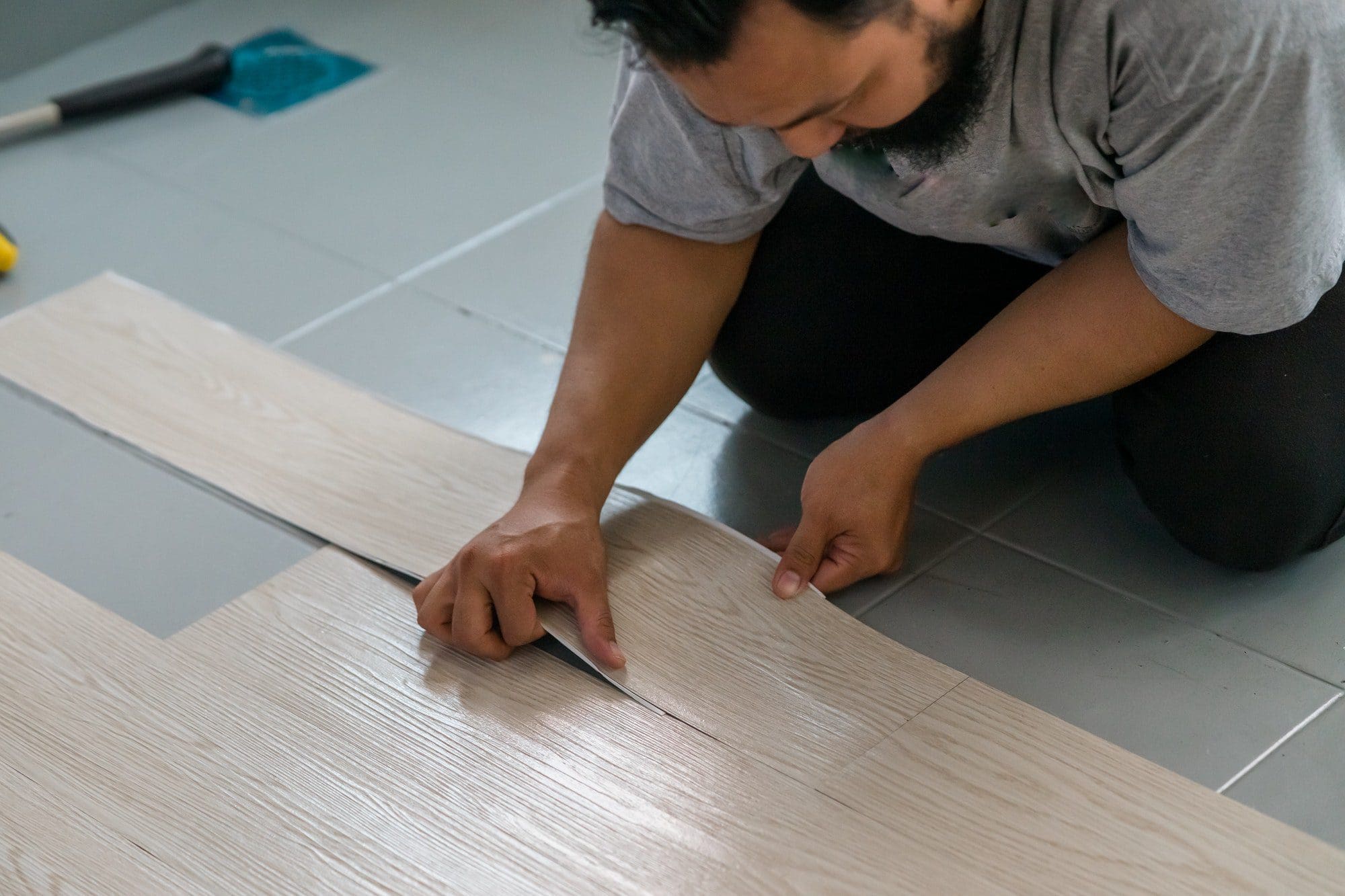
Both types of flooring are commonly installed using click-lock systems, which makes them quicker to fit compared to more traditional flooring methods. This system allows individual planks or tiles to connect securely without the need for nails or adhesives, making the process more straightforward in terms of time and labour.
Laminate flooring is usually installed as a floating floor, meaning it sits on top of the subfloor rather than being fixed directly to it. This requires a suitable underlay beneath, which helps with stability, sound reduction and how it feels when walked upon. The subfloor needs to be level and dry, as any uneven areas can affect how the boards sit and may lead to movement or gaps over time.
Vinyl flooring can also be installed using a click system, particularly with rigid core or luxury vinyl products. However, some types of vinyl, such as sheet vinyl or certain LVT ranges, may require adhesive to secure them in place.
Subfloor preparation plays a key role for both materials. Any imperfections, such as uneven surfaces or debris, can show through the finished floor or cause issues with alignment. In some cases, a levelling compound may be needed before installation begins.
While both laminate and vinyl are often described as DIY-friendly, achieving a consistent and long-lasting result still depends on accurate cutting, proper spacing and careful fitting around edges and fixtures. Expansion gaps also need to be allowed for, particularly with laminate, to prevent the flooring from lifting or shifting over time.
Vinyl vs Laminate Flooring: Which Is Better for Each Room?
The best choice often depends on where the flooring will be used.
In kitchens, vinyl is generally more suitable due to its resistance to moisture and ease of cleaning. Laminate can be used, but it requires more care to prevent water damage.
In bathrooms, vinyl is usually the preferred option. Its waterproof properties make it better suited to environments with regular exposure to water.
In living rooms, both options can work well. Laminate is often chosen for its realistic wood appearance, while vinyl may be preferred for its softer feel and ease of maintenance.
If you’re updating a kitchen or bathroom, it’s also worth considering how flooring works alongside wall finishes. Our kitchen tiling service and bathroom tiling service can help ensure surfaces are prepared and finished consistently, especially in areas where moisture and daily use need to be managed properly.
When Vinyl Flooring Is the Better Option
Vinyl flooring is typically the better choice in areas where moisture is a concern or where easy maintenance is a priority. It works well in kitchens, bathrooms and other rooms where spills or humidity are more common.
It is also a good option if comfort is important, as it tends to feel slightly softer compared to laminate.
When Laminate Flooring Is the Better Option
Laminate flooring is often the better choice in areas where appearance and scratch resistance are more important than water resistance. It works well in living rooms, hallways and bedrooms where conditions are more stable.
It can also be a suitable option for those looking for a more traditional wood-like finish at a lower cost.
Our Professional Floor Tiling Services
If you’re exploring flooring options and considering tiles, proper installation is essential to achieve a consistent and long-lasting result.
Take a look at our floor tiling services to see how we can help with preparation and installation, ensuring your flooring is fitted correctly and performs as expected over time.
FAQs
Is vinyl flooring better than laminate?
Vinyl flooring is generally the better option in areas exposed to moisture, such as kitchens, bathrooms and utility spaces. Its water-resistant or waterproof construction means it can handle spills, humidity and regular cleaning without the same risk of damage
Laminate flooring is often preferred in living areas, bedrooms and hallways where moisture is less of a concern. It tends to offer a more realistic wood-effect finish and can feel firmer and more solid underfoot. It is also typically more resistant to surface scratches, which can be useful in high-traffic areas.
Can laminate flooring get wet?
Laminate flooring can handle small amounts of moisture, such as occasional spills or light cleaning, but it is not designed to be exposed to water for extended periods.
The surface layer of laminate provides some protection, but the core is typically made from fibreboard, which can absorb water if it gets through the joints or edges. When this happens, the boards may swell, warp or lift, and this type of damage is usually difficult to repair without replacing affected sections.
Which flooring lasts longer?
Both vinyl and laminate flooring can last for many years if they are installed correctly and maintained properly, but their lifespan often depends on where they are used and how much wear they are exposed to.
Vinyl flooring tends to perform better over time in areas where moisture is present, such as kitchens and bathrooms. Because it is water-resistant or waterproof, it is less likely to suffer from damage caused by spills, humidity or regular cleaning. This makes it a more reliable option in environments where conditions are less predictable.
Laminate flooring can also last well in the right setting, particularly in drier areas such as living rooms, bedrooms and hallways. It is generally more resistant to surface scratches and everyday wear, which can help it maintain its appearance in high-traffic spaces. However, its lifespan can be reduced if it is exposed to moisture, as water damage can lead to swelling or warping that often requires replacement.
Is vinyl or laminate easier to clean?
Vinyl is generally easier to clean because it is more resistant to water, which allows for a wider range of cleaning methods without the same risk of damage. It can usually be cleaned with a damp mop and standard floor cleaners, making it a practical option in areas where regular cleaning is needed, such as kitchens.
Laminate flooring also requires relatively simple cleaning, but it needs a more controlled approach. Excess water should be avoided, as it can seep into the joints and cause swelling or warping over time. For this reason, laminate is usually cleaned with a lightly damp mop rather than a wet one, and spills should be wiped up quickly.
In day-to-day use, both are considered low-maintenance, but vinyl is generally more forgiving.

